Rintaro Ukon — 1st Place, Wildlife
An interview with RINTARO UKON
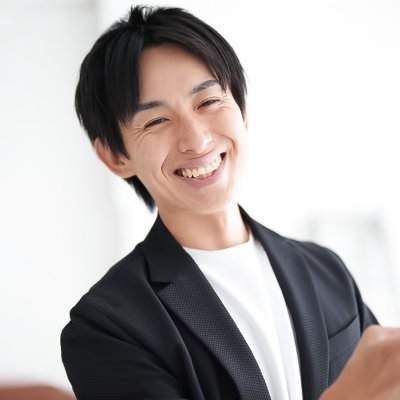
GLPA 2025 Winner Interview
Rintaro Ukon — 1st Place, Wildlife
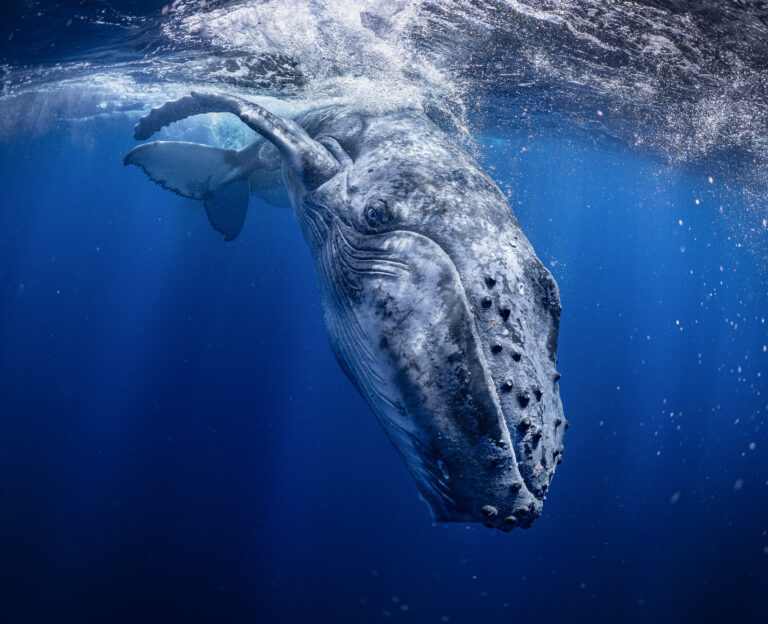
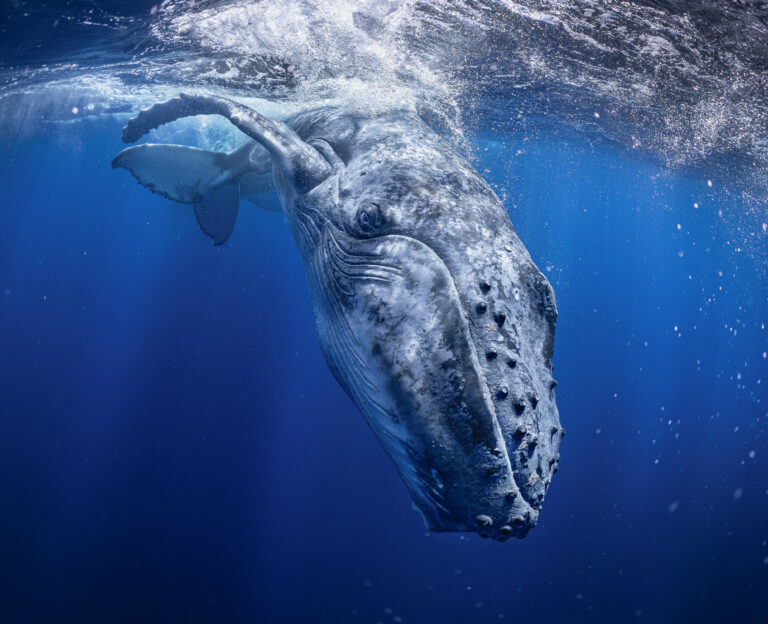
Prince of Brue
We’re honored to feature Rintaro Ukon, 1st Place in Wildlife at the Global Lens Photography Awards 2025.
Based in Japan, Rintaro is known for his rare ability to photograph the meeting point between humanity and nature with emotional restraint,
cinematic composition, and deep respect for his subjects. In Prince of Brue, that philosophy is fully present: a whale, a freediver,
and a moment of stillness that feels less like capture than permission.
“Prince of Brue” feels like a quiet agreement between you and the whale. What was happening inside you in that exact second—emotionally and physically?
In that moment, everything became very quiet. Emotionally, I felt a deep sense of acceptance—almost as if I was being allowed to exist there.
Physically, my body was completely relaxed. My heartbeat slowed, my breath was calm, and I stopped “trying” to take a photograph. I was simply
present. The image happened as a result of that stillness.
You choose to approach whales in the purest form: freediving only. Why is that rule non-negotiable for you, and what does it change in the animal’s behavior?
Freediving removes noise, bubbles, and mechanical pressure. It places me in the same fragile position as the animal—one breath, limited time, no
control. Whales feel intention very clearly. Without scuba equipment, I am perceived less as an intruder and more as another living being sharing
the water. Their movements become slower, more curious, and more honest.
When the young whale moved suddenly and circled you, what did you prioritize first: breath, distance, framing, or settings—and why?
Breath, always. If my breath is unstable, everything else collapses—safety, respect, and the image itself. Once breath and distance are calm,
framing naturally follows. Settings are decided long before entering the water.
Your style is often described as cinematic but emotionally honest. What makes an underwater wildlife image “cinematic” to you without becoming artificial?
Cinematic does not mean dramatic lighting or heavy manipulation. For me, it is about timing, scale, and silence. When the image preserves the
natural rhythm of the moment—and the emotion feels unforced—it remains honest. The ocean already has its own cinema.
You photograph weddings, landscapes, and underwater life—three very different worlds. What is the one thing you chase in all of them that stays the same?
Trust. Whether it is a couple, a place, or a whale, I am always seeking a moment where the subject stops resisting my presence. When trust exists,
the photograph becomes a shared creation, not something taken.
You speak about trust with whales. How do you earn that trust in real conditions—what do you never do, and what do you always do?
I never chase, block, or surround them. I never touch, signal aggressively, or insist on proximity. I always wait. I always move slowly, keep my
body language open, and accept when the answer is “not today.” Trust is earned by respecting distance as much as closeness.
For photographers who dream of this level of wildlife work: what are your three requirements before anyone even thinks about photographing whales underwater?
Training: Proper freediving skills and self-awareness underwater.
Safety: A deep understanding of animal behavior and strict personal limits.
Ethics: The photograph must never come before the animal’s well-being.
If these three are not in place, the ocean should not be entered with a camera.