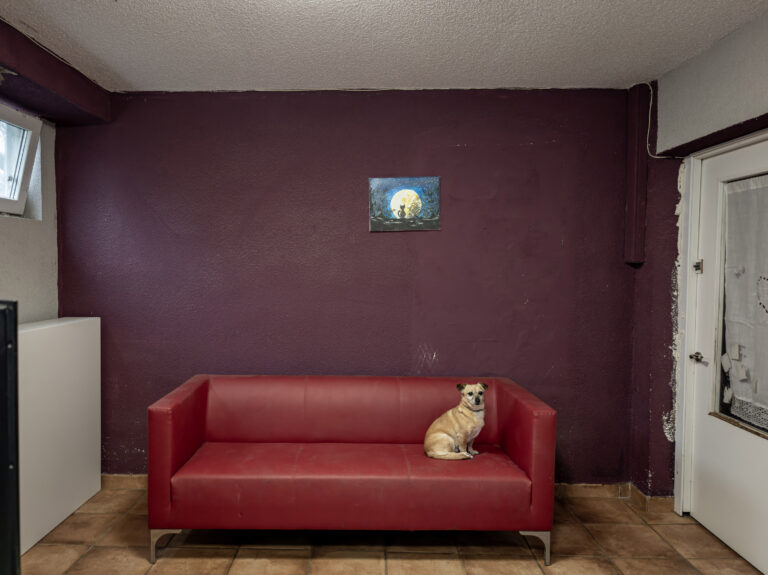
Ana Palacios — 3rd Place, Mobile
An interview with ANA PALACIOS
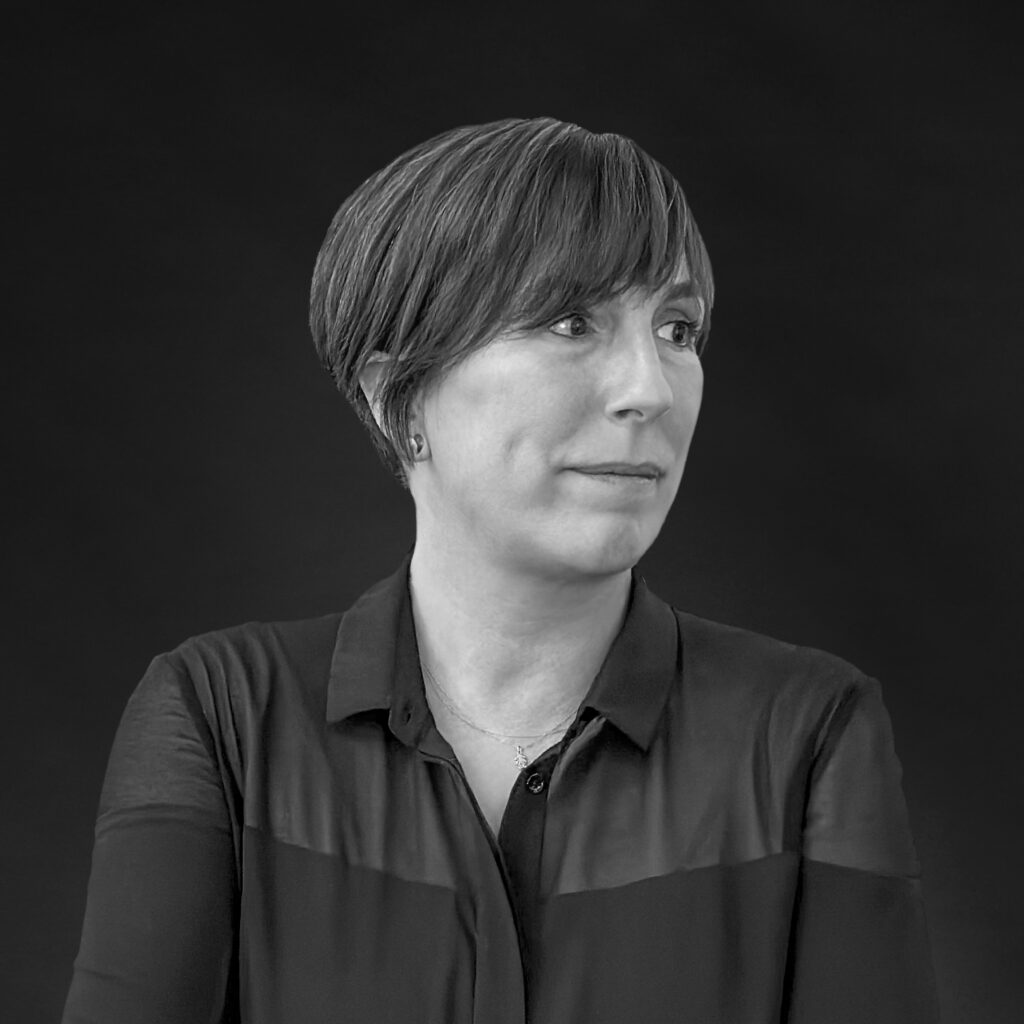
GLPA 2025 Winner Interview
Ana Palacios — 3rd Place, Mobile
Sanctuaria
We’re honored to feature Ana Palacios, 3rd Place in Mobile at the Global Lens Photography Awards 2025.
A visual journalist known for her long-term work on human rights, environmental issues, and animal welfare,
Ana brings both compassion and clarity to Sanctuaria, a photo essay exploring life inside animal sanctuaries.
The project looks beyond rescue alone, revealing these spaces as places of care, repair, and a reimagined relationship with the living world.
In “Sanctuaria,” what first drew you to animal sanctuaries as a photographic subject, and when did you realize this was also a story about humanity?
It began with an assignment right after the pandemic. All my work related to human rights in Africa was on hold at the time, and I had to look closer to home, inside Spain, at other issues that also concerned me. I knew very little about animal welfare then; those topics were not really on my radar because I had been so focused on human rights. But when the assignment arrived, I realized how deeply connected animal welfare, environmental issues, and human rights are.
It was a complete shift in my personal and professional life. When I began visiting these places, I realized that sanctuaries were not only about rescuing animals; they were also about people who had chosen to rethink their relationship with the living world, respecting the land and all its inhabitants. Very quickly I understood that the project was not only about animals, but about a shift in human consciousness.
Your essay presents sanctuaries not only as places of rescue, but as spaces proposing a different relationship with nature. What do you hope viewers understand about that philosophy?
Sanctuaries propose a radical change in perspective. Above all, they are spaces of reparation. They challenge the idea that animals exist for human use and instead present a model based on coexistence, care, and respect. I hope viewers understand that these places are not simply shelters, but living examples of how we might share the world differently.
The series carries both care and quiet resistance. How did you approach photographing these spaces without turning them into either sentimentality or accusation?
I tried to work with patience and respect. Sanctuaries are places of care, but they also exist because of the violence animals have experienced. My goal was not to dramatize suffering, but to show the dignity of lives that have been given a second chance.
I was interested in small gestures of care, everyday moments that show a different way of being together. Love moves the world, and it certainly moves these sanctuaries.
Mobile photography can create a different intimacy than traditional camera systems. Did working with a mobile device affect the way you moved through these sanctuaries or related to the animals and people there?
Yes, absolutely. A mobile device is much less intrusive and allows me to move quietly within the space. People are so used to seeing phones that they hardly pay attention to me, and that is priceless for documentary photography.
Animals and people behave more naturally because the camera does not impose itself, partly because of its small size. That intimacy allowed me to photograph moments that might otherwise disappear if a larger camera were present. The Xiaomi 15 Ultra also offered excellent image quality, which was very important in order to integrate this chapter of the project with the work I have done using my Canon gear.
Your work often engages with human rights, environmental issues, and animal welfare. How do these concerns connect for you beneath the surface?
For me they are deeply interconnected. The way we treat animals, the way we treat ecosystems, and the way we treat vulnerable human communities often arise from the same worldview based on domination and exploitation. Photography allows me to explore these connections and invite viewers to reconsider them.
In places dedicated to protection and healing, what visual moments told you most clearly that these animals were no longer being treated as commodities, but as lives with dignity?
This chapter of the project was photographed at Salvando Peludos Shelter and Sanctuary, near Madrid. They were incredibly open and generous, giving me access to their space and welcoming me almost like family. That made my work much easier.
Often the signs were very simple: the calm of an animal resting, the way a caregiver speaks to them, or the absence of fear in their body language. Seeing them play freely was also a gift. These small details signal something profound, the transition from being treated as property to being recognized as an individual life.
You have worked across photography, books, exhibitions, teaching, and documentary film. What did “Sanctuaria” ask from you that felt different from your previous long-term projects?
Working with animals was a first for me, and I had to develop patience that I don’t always naturally have! “Sanctuaria” required a different emotional pace.
Instead of focusing primarily on human conflict or crisis, I was working in spaces built around care and repair. Photographing that kind of environment required a quieter approach and a sensitivity to moments that are often subtle but deeply meaningful. I was especially interested in the interactions between caregivers and the rescued animals, that is where I felt most connected to the story.
What does this GLPA recognition mean to you, and what conversations do you hope this project can open around animal rights and environmental responsibility?
This recognition from such an important award means a great deal to me because it helps bring international attention to a subject that is still rarely discussed in photography and journalism.
I hope the project contributes to a broader conversation about how we relate to other inhabitants of the planet. Sanctuaries remind us that repair is possible, and that imagining new relationships with the living world is both necessary and urgent.
Sanctuaria is an ongoing long-term project that will culminate in a book and exhibition.