Thomas Dressler — 3rd Place, Drone
An interview with Thomas Dressler
GLPA 2025 Winner Interview
Thomas Dressler — 3rd Place, Drone
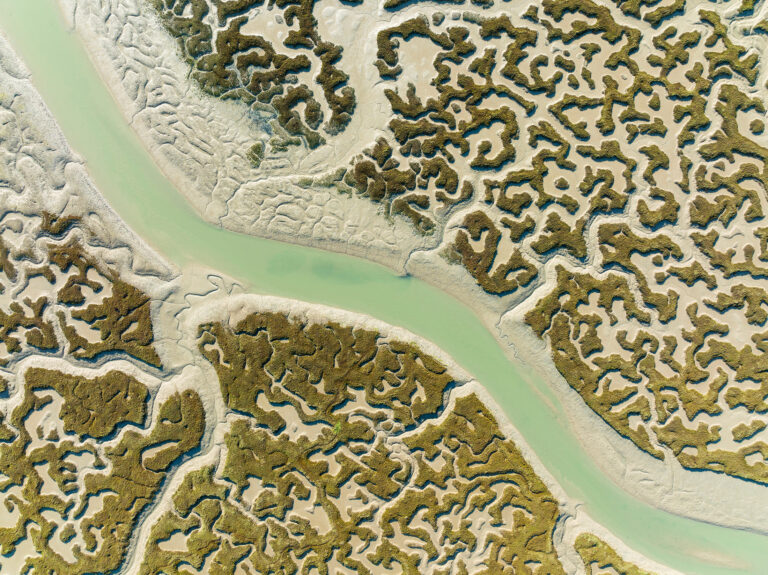
Tidal designs
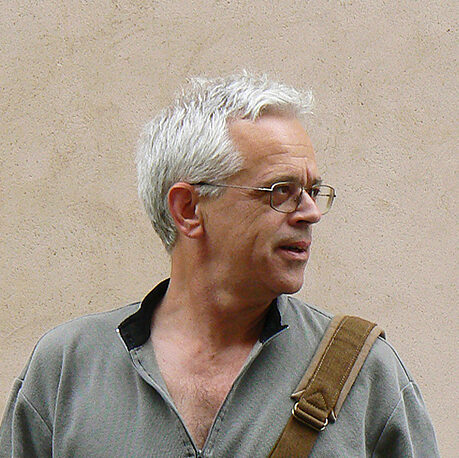
We’re pleased to feature Thomas Dressler, 3rd Place in Drone at the Global Lens Photography Awards 2025.
In Tidal designs, Dressler transforms the marshlands of Andalusia into an abstract visual language of channels, curves, and rhythm.
His aerial perspective reveals a hidden world shaped by water, time, and natural harmony—one that exists beyond ordinary sight and invites us to look at the earth as both landscape and living design.
In “Tidal designs,” the marsh channels read almost like drawings made by water. What first attracted you to these low-tide landscapes in Andalusia?
What fascinated me above all were the abstract patterns that revealed themselves at low tide and were visible only from above.
Nothing of all this could be seen or even imagined from ground level. Every time I flew the drone over any of these tidal marshlands,
a different wonderland disclosed itself.
Your drone perspective transforms natural terrain into something abstract and graphic. At what point do you know an aerial scene has become more than documentation and entered the territory of art?
I can see it immediately in the picture frame, but then I get the definite confirmation when people do not understand what they are seeing in the photograph.
These tidal networks feel both delicate and endlessly shaped by natural forces. What do you find most compelling about photographing patterns created by water over time?
Their perfect harmony. Natural patterns are always totally harmonious. Only when human beings interfere do they become chaotic,
which, by the way, can also be very photogenic from an artistic point of view.
You’ve photographed Africa, southern Morocco, the American Southwest, Cuba, and Spain. Has your long relationship with desert and open landscapes influenced the way you see marshlands from above?
Probably not influenced, but complemented and confirmed that I need open spaces to appreciate earth’s beauty.
Drone photography opened a new dimension in your work. What did it allow you to express that ground-based photography could not?
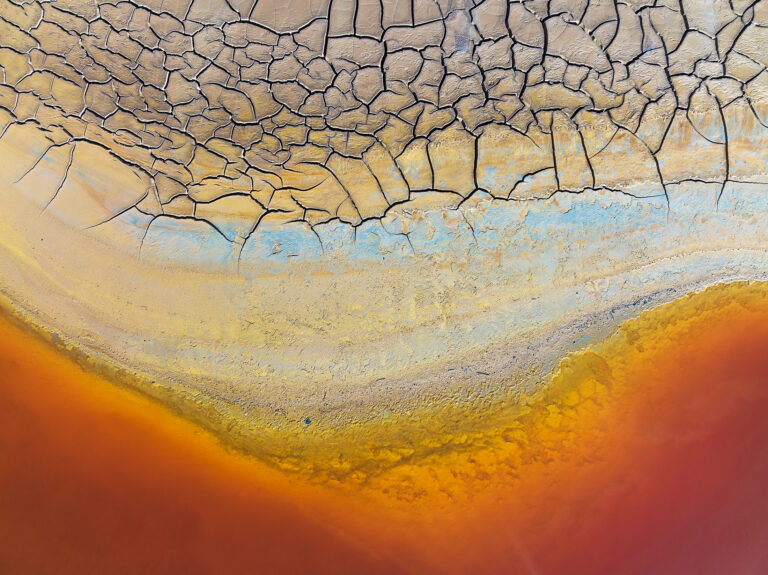
Anything can convert into photo art when seen from above, especially in top-down views. Ground photography can also do this,
but it is not that obvious. Perhaps artistic ground photography has more merit. The photographer has to search and then see and
recognize what the great majority of people is not able to see. Drone photography is easier, but still very imaginative.
You raise the drone and there it is.
The images are minimal, but they still feel alive. How do you decide what to include—or exclude—when working with such complex natural forms?
It’s the harmony of lines, curves, and colours. It is the most important part when composing a photograph. It decides everything.
It must mesh; the slightest disturbance in that harmony ultimately destroys the image.
Is there a particular emotion or idea you hope viewers take away from these marshland studies: tranquility, wonder, fragility, design, or something else?
All of these: tranquility, wonder, fragility, and design. And the certainty that this is what we need to preserve.
What does this GLPA recognition mean to you, and what kinds of aerial landscapes are you most excited to keep exploring next?
It means that I am on the correct path. It makes me happy. I have already started with aerial photography in some places of southern Africa,
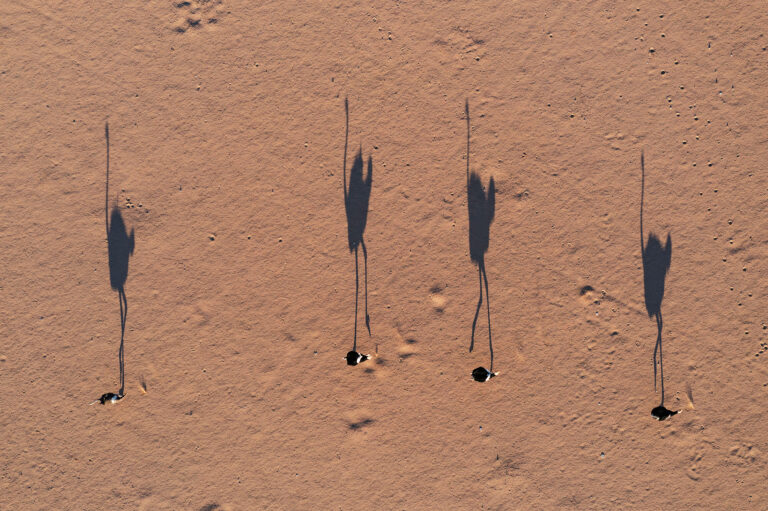
especially in Namibia and Botswana, not only with drones but also using a helicopter. Wild animal aerial photos are challenging.
Just watch my photo Big Birds, which achieved an Honorable Mention at the same 2025 GLPA.